PhoenixInspections
Tank, Vessel & Pipeline Coatings
PILLAR B • COATINGS & SURFACE PROTECTION

Tank, Vessel & Pipeline Coatings

Internal lining and external coating execution and QA/QC verification tailored to storage tanks, pressure vessels, industrial process piping, pipelines, and structural steel.

SERVICE OVERVIEW

Technical Scope & Engineering Objective

Storage tanks, pressure vessels, buried pipelines, and industrial pipe networks experience sharply differing chemical immersion, thermal cycling, soil stress, and UV weather exposure. Selecting and inspecting coatings must reflect each asset's exact geometry and operating medium.

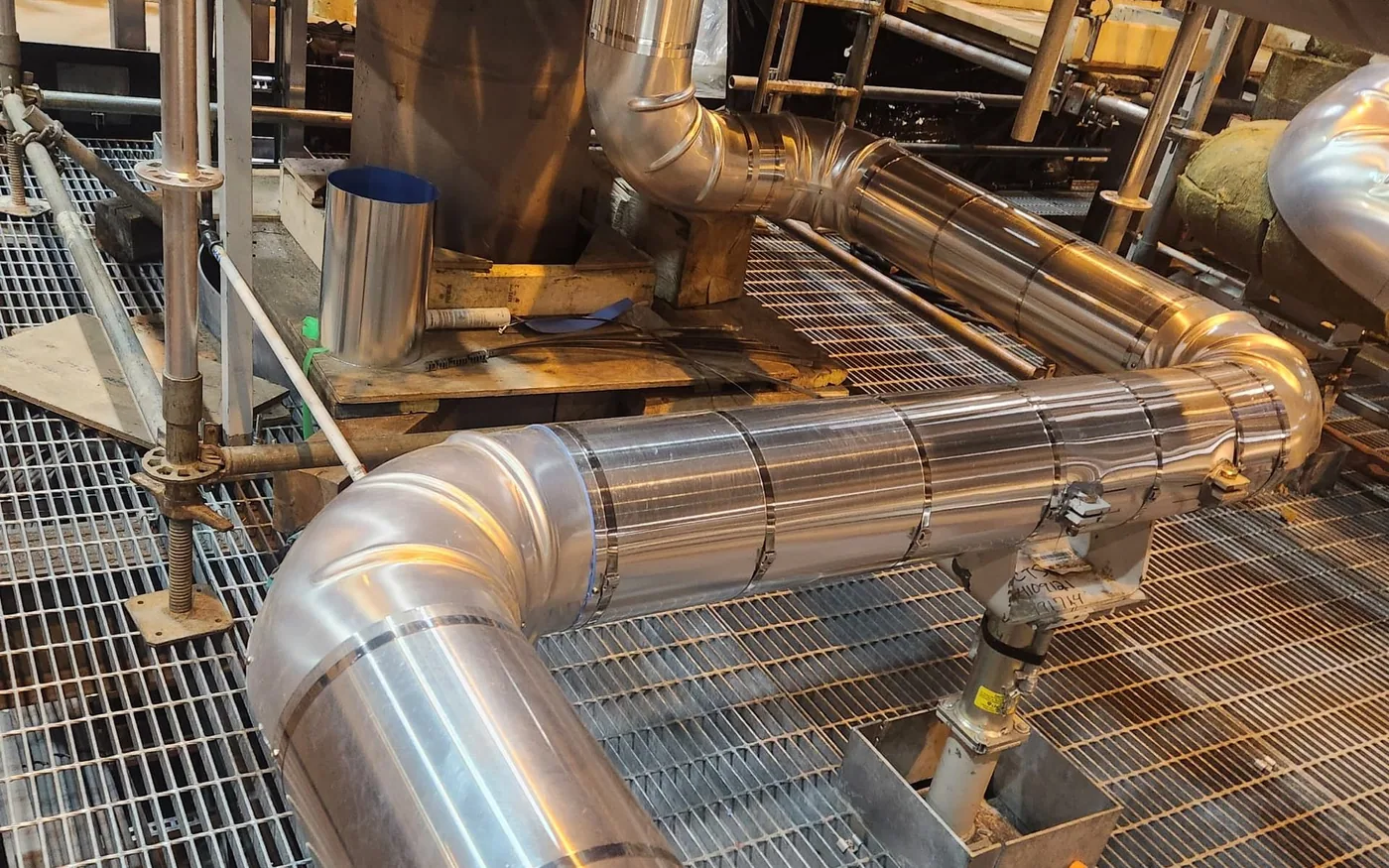
Phoenix Inspections structures coating preparation, application, and QA/QC verification around asset-specific realities: confined-space dehumidification inside tank internals, weld-seam holiday testing on pipeline field joints, high-temperature coatings on insulated drums, and durable UV-stable topcoats on exposed process units.

By integrating surface cleanliness testing (soluble salts, blast profile), continuous dew-point monitoring, statistical DFT compliance, and low/high-voltage continuity checks, our teams minimize rework and deliver verified containment protection.

TECHNICAL METHODS & ACTIVITIES

Detailed Methodology & Engineering Limitations

Every technique is evaluated for physical detection mechanism, suitable asset scope, access prerequisites, and real-world limitations.

Tanks

Storage Tanks (Internal & External)

Addresses tank floor plates, lower shell strakes, floating-roof pontoons, and external roofs/shells using high-build chemical/hydrocarbon-resistant linings internally and weatherable systems externally.

Typical Applications
  • Crude oil, refined product, and potable/process water internal tank linings
  • Tank bottom plate vacuum-box/NDT coordination prior to lining application
  • External shell, wind-girder, staircase, and roof recoating
Suitable Assets & Materials
  • • Fixed-roof & floating-roof tanks
  • • Water & chemical storage tanks
Access & Surface Prep

Tank gas-free certification, Sa 3 white-metal blast for immersion linings, Bresle salt extraction, dehumidification.

Key Limitations

Internal tank blasting and curing require forced ventilation, dehumidification/climate control when ambient humidity exceeds specification, and confined-space rescue readiness.

Reporting Output

Dehumidification & Psychrometric Logs, Sa 3 Sign-Off, DFT Sheets, and 100% Holiday Test Reports.

Vessels

Pressure Vessels & Process Drums

Protects internal wet-process shells (separators, scrubbers, knockout drums) and external insulated/uninsulated vessels against chemical attack, CUI, and thermal cycling.

Typical Applications
  • Glass-flake / novolac phenolic epoxy internal linings for elevated temperature/chemical service
  • External CUI-resistant coatings beneath thermal insulation jackets
  • Nozzle neck, manway, and internal baffle stripe-coating
Suitable Assets & Materials
  • • Separators & scrubbers
  • • Process drums & columns
  • • Filter vessels
Access & Surface Prep

Confined-space PTW, baffle masking, weld-spatter grinding, and post-cure holiday inspection.

Key Limitations

Complex internal trays, weir plates, and tight nozzles demand disciplined stripe coating and wet-sponge or high-voltage holiday verification before box-up.

Reporting Output

Vessel Lining Inspection Dossier, Nozzle Continuity Logs, and Cure Verification Records.

Piping / Structures

Pipelines, Piping & Structural Steel

Covers buried pipeline field girth-weld coatings (FBE, liquid epoxy, heat-shrink sleeves) alongside above-ground process piping, pipe bridges, and structural frames.

Typical Applications
  • Pipeline girth-weld field joint coating and 100% high-voltage holiday inspection
  • Above-ground process manifold and rack recoating without process shutdown
  • Structural pipe-support and offshore/coastal module coating
Suitable Assets & Materials
  • • Buried/subsea tie-in field joints
  • • Above-ground manifolds & headers
  • • Pipe racks & steel structures
Access & Surface Prep

Trench shoring/dewatering, pipe preheat where required by FBE/sleeve specs, holiday spark calibration.

Key Limitations

Trench water ingress, backfill abrasion risk, or live-line pipe temperatures alter coating selection and require strict dry/thermal clearance.

Reporting Output

Field Joint Coating Register, Peel/Adhesion Tests, Spark Holiday Reports, and Structural DFT Sheets.

Common Applications
  • Crude, refined-fuel, and water tank rehabilitation lining campaigns
  • Turnaround separator and process-vessel internal lining renewal
  • Pipeline construction and repair girth-weld field-joint coating
  • Industrial plant piping and pipe-bridge external corrosion protection
Assets & Components Assessed
  • Aboveground storage tanks
  • Pressure vessels, separators, and columns
  • Process piping & manifolds
  • Transmission & flowline pipelines
  • Structural pipe racks and equipment skids
Operational Considerations
  • • Immersion tank and vessel linings require stricter cleanliness (typically Sa 3, low soluble salts) and 100% pinhole holiday testing compared to atmospheric structural topcoats.
  • • Service fluid chemistry and maximum continuous operating temperature dictate resin selection—verify Product Data Sheets rigorously.
  • • Always complete weld repairs and NDT clearances before starting final internal vessel or tank lining.
STANDARDS & QUALIFICATION CONTEXT

Referenced Technical Codes & Qualification Distinctions

Standards are applied selectively per method and contractual project specification, keeping examination codes distinct from individual personnel certifications.

Coating & Surface Standard

NACE SP0188 / ASTM D5162 (Holiday Continuity Testing)

Governs low-voltage wet-sponge and high-voltage spark testing of protective linings.

Coating & Surface Standard

ISO 21809 / NACE SP0169 / API RP 652

External pipeline field-joint coatings and storage tank bottom lining guidance.

Coating & Surface Standard

ISO 8501-1 & SSPC-PA 2

Blast cleanliness verification and dry-film thickness acceptance statistics.

EXECUTION WORKFLOW

Structured Service Delivery Process

Step 01

Asset & Service Media Review

Confirm internal/external exposure, thermal limits, coating TDS, and access/climate controls.

Step 02

Substrate Prep & Climate Stabilization

Execute blasting/dressing, salt checks, and confined-space dehumidification where needed.

Step 03

Multi-Coat Lining / Coating Execution

Apply primer, stripe coats, and intermediate/topcoat passes within specified recoat windows.

Step 04

Holiday, Adhesion & Release Verification

Verify DFT, 100% lining continuity, cure state, and issue turnover quality dossiers.

Expected Deliverables & Documentation Outputs
Tank / Vessel / Pipeline Asset-Specific Coating ITP Sign-Offs
Environmental, Dehumidification & Salt-Test Logs
Statistical DFT & 100% Holiday Discontinuity Reports
Field-Joint Coating & Peel/Adhesion Test Records
TECHNICAL & COMMERCIAL ENQUIRIES

Request a Quote for Tank, Vessel & Pipeline Coatings

Share asset specifications, governing codes, and mobilization timelines with our Coatings & Surface Protection specialists.