Sa 2.5Sa 3St 3ISO 8501
Surface Preparation
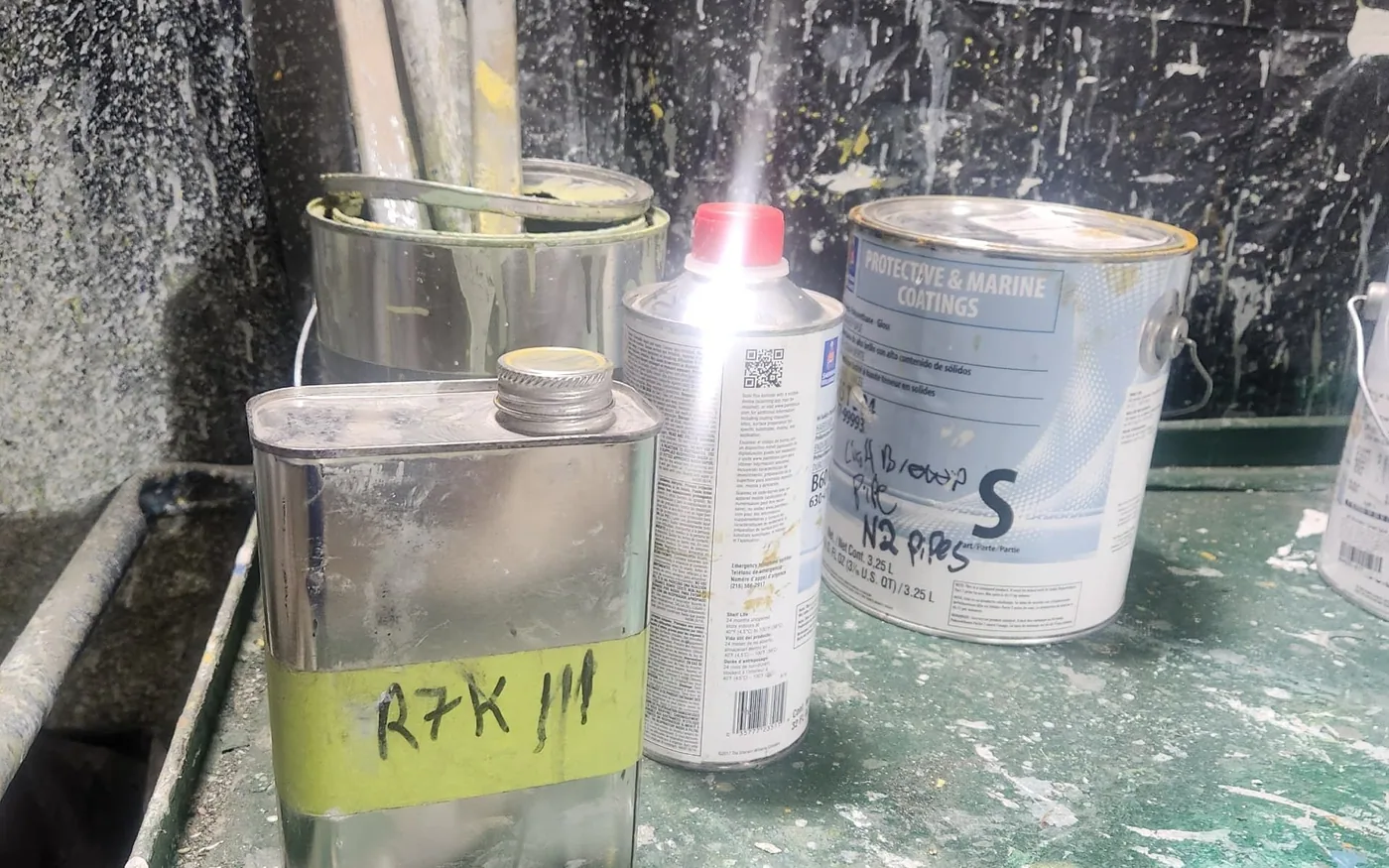
Contaminant removal, abrasive blast cleaning, mechanical preparation, surface anchor-profile verification, soluble salt testing, and dew-point environmental control.
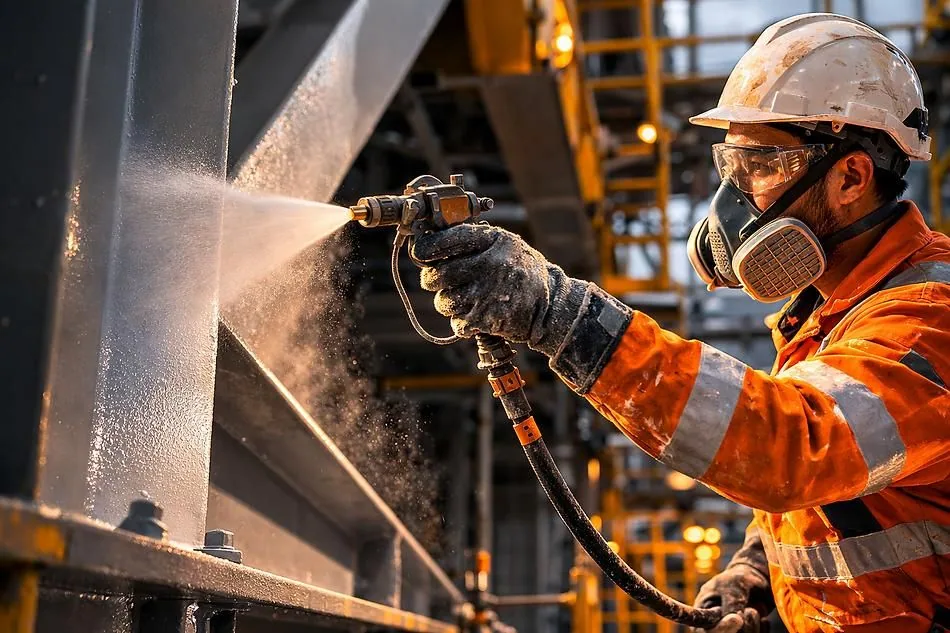
Controlled surface preparation, protective coating execution, and corrosion management practices engineered to protect industrial substrates under specified service conditions.
Coating premature failures in industrial facilities rarely stem from resin chemistry alone; the majority trace back to inadequate soluble-salt removal, improper abrasive blast profile, uncontrolled ambient dew-point margins, or missed dry-film thickness verification.
Phoenix Inspections treats surface preparation and industrial coating execution as disciplined engineering processes governed by measurable hold points, calibrated inspection gauges, and traceable environmental logs.
Pillar B covers mechanical and abrasive surface preparation, multi-coat protective industrial painting, structured corrosion control interventions, and specialized internal/external coating scopes for storage tanks, pressure vessels, piping, and pipelines.
Coating durability depends heavily on substrate condition, chemical or atmospheric exposure zone, surface preparation grade achieved, cure conditions, and adherence to manufacturer Product Data Sheets. Phoenix Inspections ties every coating specification strictly to verified project parameters without unsupported lifespan promises.
Pre-blast oil/grease removal, weld-spatter dressing, soluble salt assessment, and dust-level checks before primer application.
Dry abrasive blasting, power-tool preparation, and replica-tape anchor profile verification matched to the coating Product Data Sheet.
Continuous monitoring of ambient air temperature, relative humidity, steel temperature, dew point differential, WFT, and cured DFT.
Low/high-voltage holiday detection for immersion linings and pull-off or cross-cut adhesion testing where specified by the project.
Review technical methods, operational limitations, standards context, and expected deliverables for each discipline.
Contaminant removal, abrasive blast cleaning, mechanical preparation, surface anchor-profile verification, soluble salt testing, and dew-point environmental control.
Multi-coat protective epoxy, polyurethane, inorganic zinc, and high-temperature coating application paired with WFT, DFT, holiday, and adhesion verification.
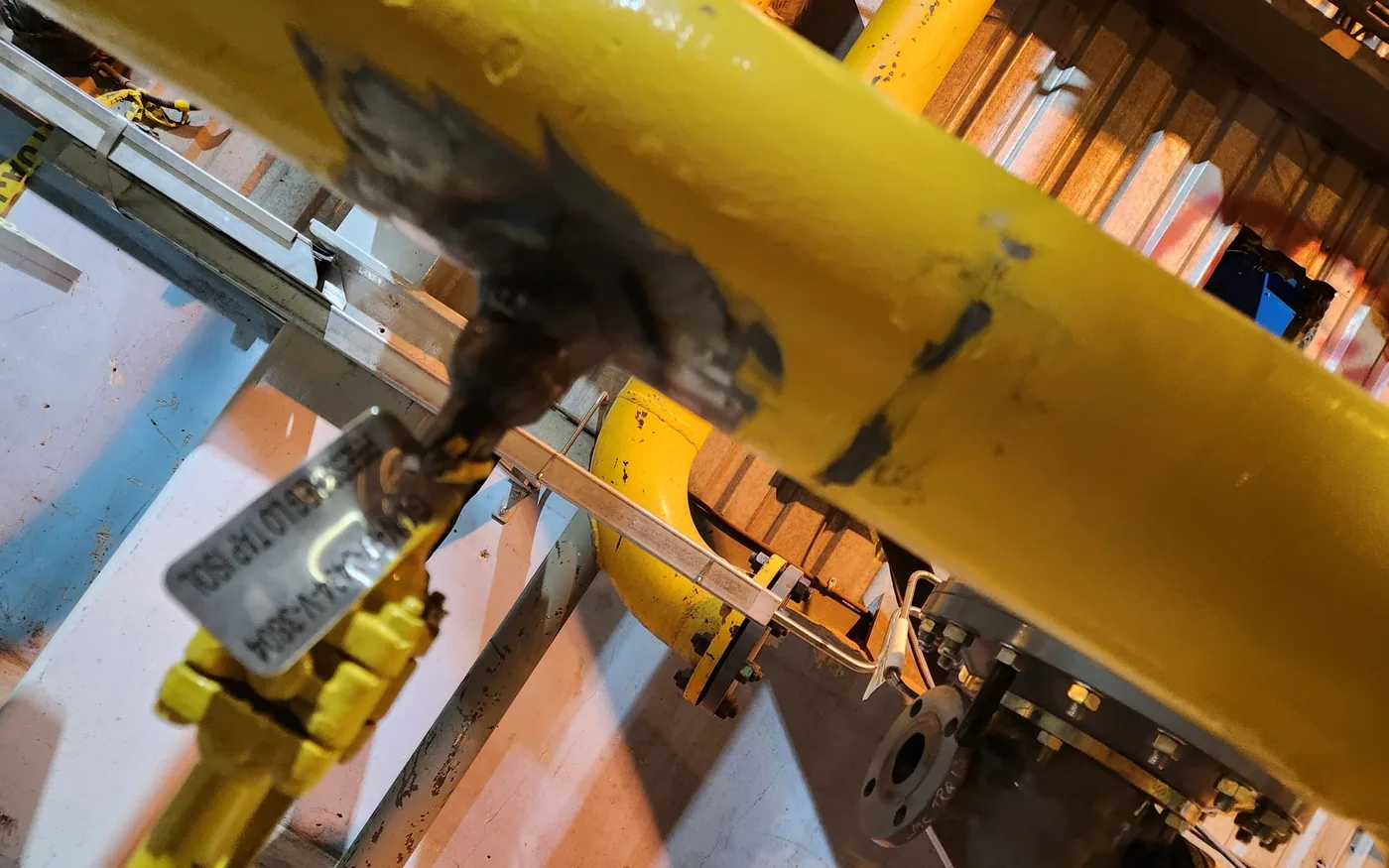
Corrosion mechanism surveys, CUI evaluation, remaining-wall condition mapping, protective barrier restoration, and maintenance prioritization for industrial assets.
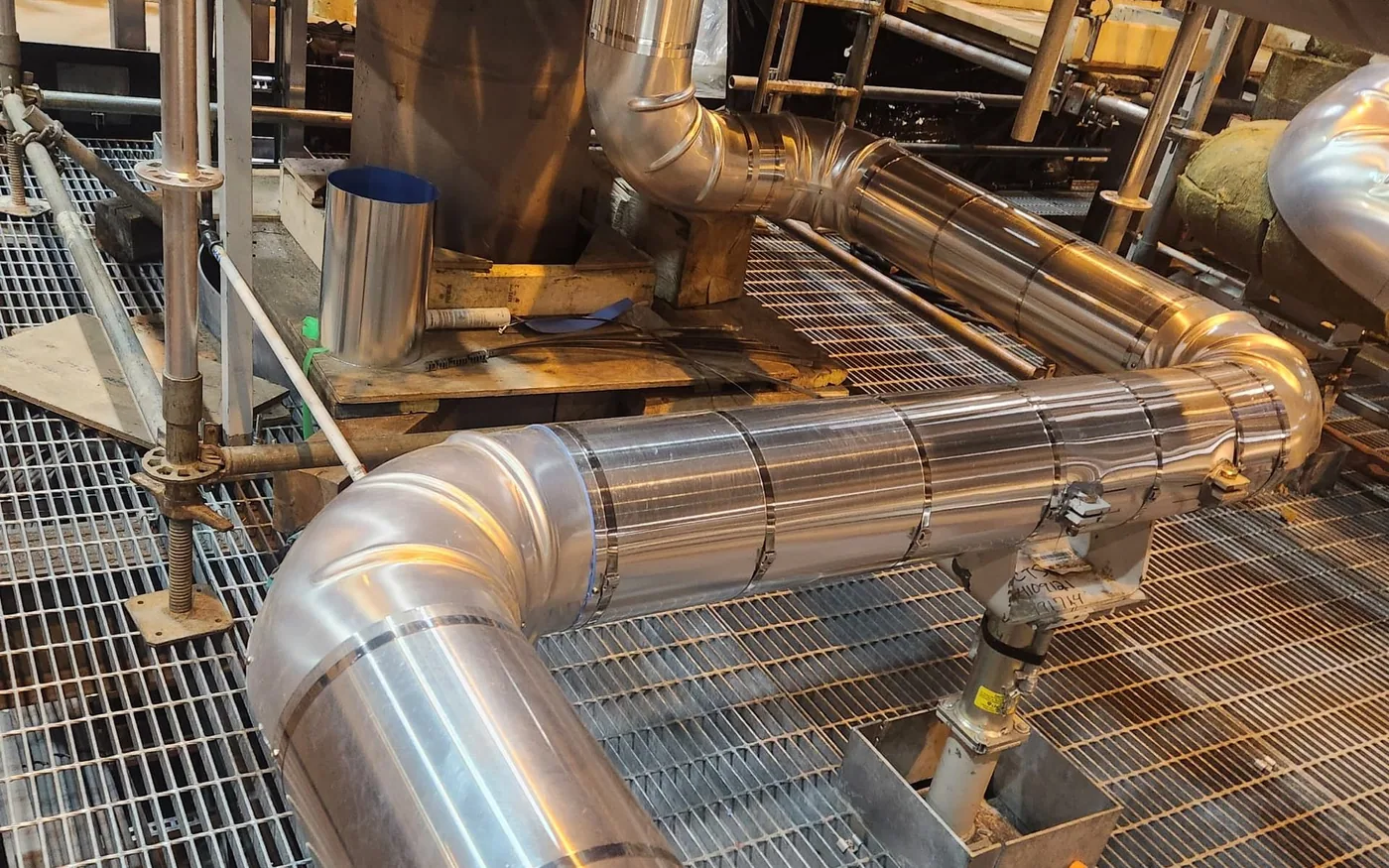
Internal lining and external coating execution and QA/QC verification tailored to storage tanks, pressure vessels, industrial process piping, pipelines, and structural steel.
Visual cleanliness grades (Sa 2.5, Sa 3, St 3) and steel surface imperfection preparation.
Quantitative substrate cleanliness and anchor-pattern profile measurement before priming.
Protective paint system selection and performance specification frameworks for corrosivity categories.
Dry film thickness statistical verification and holiday discontinuity testing for tank/vessel linings.
Controlled abrasive blasting to Sa 3, Bresle soluble-salt decontamination, dehumidified multi-coat phenolic epoxy lining, and 100% low/high-voltage holiday verification.
Coastal surface preparation audit, soluble chloride testing, fresh-water desalination washing, Sa 2.5 blasting, and high-build marine epoxy-polyurethane coating QC.
Share your asset details, applicable engineering codes, and target project window with our technical team to initiate a quotation review.