PhoenixInspections
Lifting & DROPS Inspection
PILLAR A • INSPECTION & NDT

Lifting & DROPS Inspection

Structured thorough examinations, NDT of critical load-bearing fittings, and Dropped Object Prevention (DROPS) hazard surveys across cranes, rigging, and elevated structures.

SERVICE OVERVIEW

Technical Scope & Engineering Objective

Lifting gear failures and dropped objects rank among the highest-severity hazards in industrial plants, fabrication yards, and offshore facilities. Structured periodic examination keeps defective rigging out of service and identifies unsecured overhead hardware before an incident occurs.

Effective lifting integrity distinguishes carefully between five distinct activities: routine operator pre-use visual checks, periodic thorough physical examinations, targeted nondestructive testing (such as Magnetic Particle or Liquid Penetrant checks on crane hooks, spreader pins, and padeyes), controlled proof-load testing, and statutory regulatory certification.

Phoenix Inspections conducts thorough examinations, complementary NDT verification, and comprehensive facility DROPS surveys documented against recognized lifting and dropped-object engineering practices.

Where statutory third-party governmental or accredited certification is mandated by local law or client contract, we clearly define our inspection and NDT deliverables versus authorized statutory sign-off interfaces.

TECHNICAL METHODS & ACTIVITIES

Detailed Methodology & Engineering Limitations

Every technique is evaluated for physical detection mechanism, suitable asset scope, access prerequisites, and real-world limitations.

VT / Dimensional

Thorough Lifting Equipment Examination

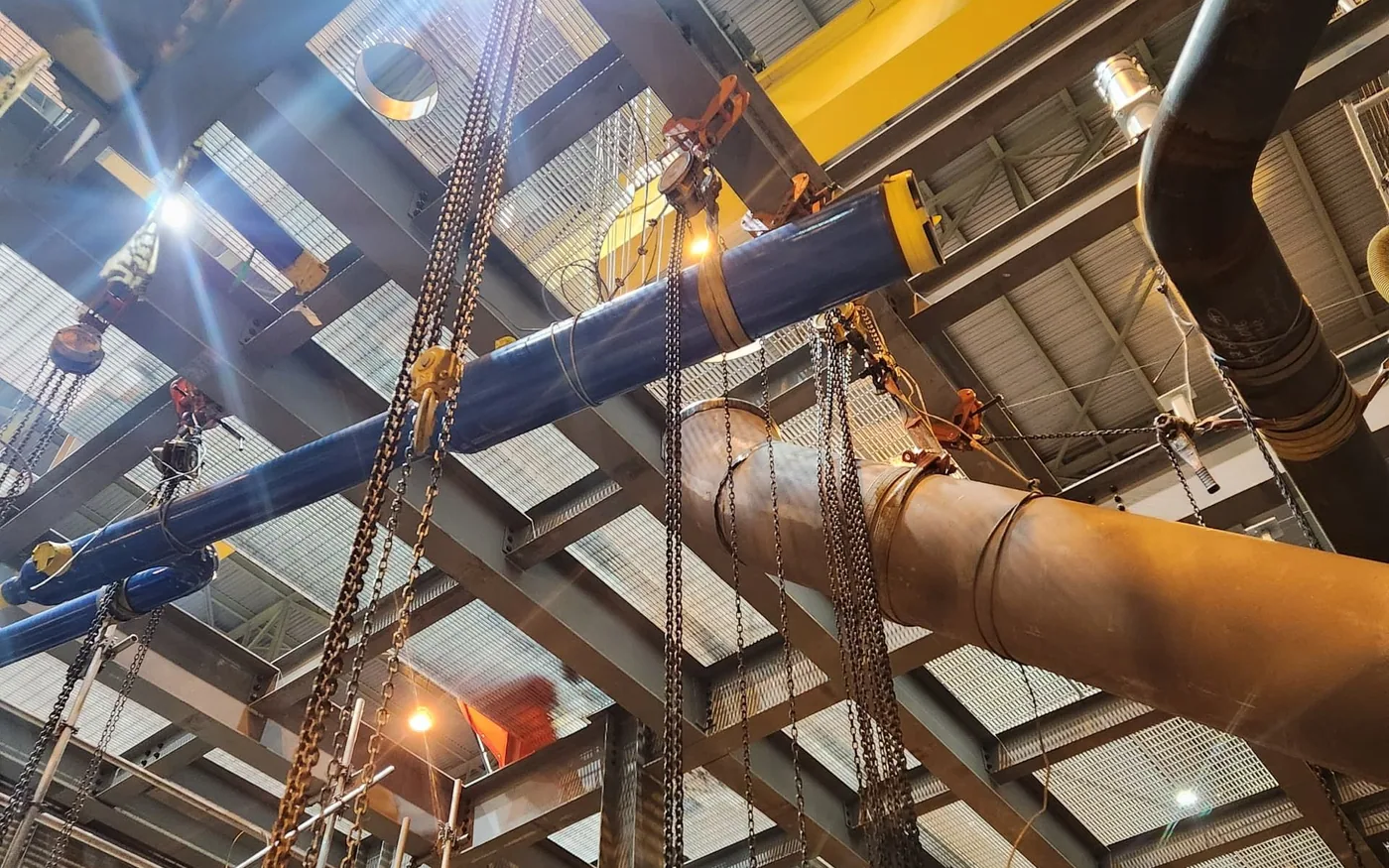
Detailed visual, dimensional wear, elongation, corrosion, and safety-latch inspection of loose rigging accessories and fixed lifting appliances against manufacturer discard criteria.

Typical Applications
  • Wire rope slings, chain slings, shackles, eyebolts, and synthetic webbing
  • Chain blocks, lever hoists, spreader beams, and Offshore Cargo Carrying Units (CCUs)
  • Overhead gantry cranes, jib cranes, and padeye assemblies
Suitable Assets & Materials
  • • Loose lifting gear
  • • Overhead bridge & pedestal cranes
  • • Offshore containers & lifting frames
Access & Surface Prep

Clean gear laid out sequentially with visible serial/ID markings and safe crane access.

Key Limitations

Visual and dimensional inspection alone cannot confirm internal material soundness of heavily loaded forged hooks or welded padeyes—requiring complementary MT, PT, or UT examination.

Reporting Output

Equipment Inspection Registers, Pass/Quarantine color-code tagging logs, and Defect Reports.

MT / PT / UT

NDT of Critical Load-Bearing Components

Applies surface crack detection (MT/PT) or ultrasonic checks (UT) to high-stress fillets, crane hook shanks, swivel pins, and structural padeye welds after visual cleaning.

Typical Applications
  • Post-proof-load and periodic crack inspection of welded lifting padeyes
  • Crane hook throat and shank fatigue cracking verification
  • Spreader beam lug and clevis pin shear-zone examination
Suitable Assets & Materials
  • • Forged crane hooks
  • • Welded padeyes & lifting lugs
  • • Heavy rigging pins & shackles
Access & Surface Prep

Clean surface free of heavy grease and flaky paint.

Key Limitations

Requires paint removal or thin verified contrast paint; MT applies only to ferromagnetic steels while PT applies to non-magnetic alloy components.

Reporting Output

Method-specific MT/PT/UT reports cross-referenced to unique lifting equipment serial IDs.

DROPS

Dropped Object Prevention Surveys

Systematic overhead zone-by-zone survey checking structural attachments, primary fasteners, corrosion state, secondary retention tethers, and vibration-loosening hazards.

Typical Applications
  • Derrick, pipe-rack, crane-boom, and overhead process-deck sweeps
  • Lighting fixtures, CCTV cameras, speakers, junction boxes, and grating clips
  • Establishing baseline DROPS registers and safety-wire retention remediation lists
Suitable Assets & Materials
  • • Derricks & flare booms
  • • Elevated walkways & pipe racks
  • • Industrial crane gantries
Access & Surface Prep

Zone maps, elevated access (MEWP or rope access), and exclusion barricades.

Key Limitations

Survey reflects asset condition at inspection date; high-vibration plant equipment requires recurring scheduled audits and post-maintenance walkdowns.

Reporting Output

Zone-by-zone DROPS Audit Register, risk-categorized photographic punchlists, and secondary retention trackers.

Common Applications
  • Six-monthly and annual thorough examination programs for plant lifting inventories
  • Fabricated lifting beam and padeye weld NDT prior to heavy mechanical lifts
  • Comprehensive DROPS baseline and turnaround closeout sweeps
  • Incoming contractor rigging verification prior to plant mobilization
Assets & Components Assessed
  • Shackles, slings, hoists, and spreader beams
  • Overhead traveling cranes and monorails
  • Welded structural padeyes and CCU frames
  • Elevated pipe racks, lighting, and cable trays
Operational Considerations
  • • Clearly differentiate visual/NDT thorough examination from proof-load testing and statutory government/notified-body certification.
  • • Unidentifiable, altered, or unmarked lifting tackle lacking verified SWL/WLL stamps must be quarantined immediately from service.
  • • Painted-over cracks on crane booms or padeyes require local coating stripping before valid MT examination.
STANDARDS & QUALIFICATION CONTEXT

Referenced Technical Codes & Qualification Distinctions

Standards are applied selectively per method and contractual project specification, keeping examination codes distinct from individual personnel certifications.

Lifting / Access Standard

LEEA Code of Practice / BS 7121 / ASME B30 Series

Technical examination, discard criteria, and safe crane/rigging inspection benchmarks.

Lifting / Access Standard

DROPS Recommended Practice

Primary and secondary retention inspection principles for overhead industrial hardware.

Client / Project Specification

Applicable Statutory Lifting Regulations (Client / Regional)

Governs inspection intervals and whether an independently accredited statutory body must countersign certificates.

EXECUTION WORKFLOW

Structured Service Delivery Process

Step 01

Inventory & Register Audit

Verify equipment serial numbers, Safe Working Load (SWL) markings, and prior test histories.

Step 02

Thorough Visual & Dimensional Check

Inspect wear, hook throat opening, wire rope broken strands, and safety latches.

Step 03

Complementary NDT & DROPS Sweep

Execute MT/PT on critical load paths and conduct elevated overhead DROPS surveys.

Step 04

Tagging, Quarantine & Reporting

Apply period color codes, quarantine rejected items, and issue traceable inspection registers.

Expected Deliverables & Documentation Outputs
Itemized Lifting Equipment Examination Register with pass/reject status
Nonconformance & Quarantine Certificates for condemned rigging
MT / PT reports for padeyes, hooks, and critical pins
Prioritized DROPS photographic finding log and closeout tracker
TECHNICAL & COMMERCIAL ENQUIRIES

Request a Quote for Lifting & DROPS Inspection

Share asset specifications, governing codes, and mobilization timelines with our Inspection & NDT specialists.